
Dental Implants in Knoxville, TN
A missing tooth can affect more than the way your smile looks. It can change how you chew, allow neighboring teeth to shift, and contribute to bone loss in the area over time. Dental implants offer a long-term way to replace a missing tooth by restoring both the root and the visible tooth above it.
At Wildflower Dentistry in Knoxville, we approach implant treatment with careful planning and an emphasis on preserving your overall oral health. We look at your teeth, gums, bite, bone structure, and goals before recommending an approach.
Whether you're replacing one missing tooth or exploring options for several, this guide explains how dental implants work, who may be a candidate, what the process involves, and what you can expect from care at Wildflower Dentistry.
Quick Takeaways
- Dental implants replace a missing tooth at both the root and crown level, creating a stable, long-term restoration.
- An implant can support an individual crown, a bridge, or an implant-supported full-arch restoration depending on how many teeth are missing.
- Candidacy depends on factors such as bone volume, gum health, overall health, and your specific treatment goals. Additional treatment may sometimes be used to create a suitable foundation.
- Your consultation is where we'll determine whether an implant is appropriate and explain the alternatives if another option makes more sense.
What Are Dental Implants?
A dental implant is a small post placed into the jawbone to replace the root of a missing tooth. Once the implant has healed and integrated with the surrounding bone, it can support a custom restoration such as a crown.
The visible crown is designed to fit naturally with the teeth around it, including its shape, size, and shade. When the implant and restoration are properly planned, the goal is a replacement that looks natural and functions comfortably as part of your smile.
Implants can also be used in more complex situations. Depending on your needs, they may support several replacement teeth with an implant-supported bridge or help stabilize a larger restoration.
What You Get From Dental Implant Treatment
A Stable Replacement for a Missing Tooth
An implant is anchored in the jaw rather than resting on the gums. That stability can make eating and speaking feel more natural compared with some removable tooth-replacement options.
Preservation of the Jawbone
After a tooth is removed, the bone that once supported its root no longer receives the same stimulation and can gradually shrink. An implant provides a replacement root that can help maintain the bone around the implant site.
A Restoration Designed for Your Smile
The final crown is planned around the surrounding teeth rather than treated as a standalone piece. Shape, shade, proportions, and the way the teeth come together all factor into the final result.
No Need to Alter Healthy Neighboring Teeth for an Individual Implant
When replacing a single tooth, an implant can stand independently rather than relying on adjacent teeth for support. Whether that is preferable to a bridge depends on your individual circumstances, which is something we'll discuss during your consultation.
Are You a Candidate for Dental Implants?
Dental implants can be an excellent option for many adults who are missing one or more teeth, but candidacy is not determined by the missing tooth alone.
During your consultation, we'll evaluate the health of your gums, the amount and quality of bone available at the implant site, your bite, your overall dental health, and any health factors that could affect healing.
Healthy gum tissue and sufficient bone provide an important foundation for implant treatment. If you've been missing a tooth for some time and have experienced bone loss, that does not necessarily mean implants are off the table. In some cases, bone grafting or other preparatory treatment can help create the foundation needed for an implant.
Your individual health history matters, too. Certain medical conditions, medications, or tobacco use can affect healing and may need to be considered as part of treatment planning. The only way to know whether an implant is appropriate for you is through a clinical evaluation and appropriate imaging.
How the Dental Implant Process Works

Implant treatment is completed in stages, with each stage serving a specific purpose.
1. Consultation and Treatment Planning
Your first step is a comprehensive evaluation. We'll discuss the tooth or teeth you're looking to replace, examine your oral health, and use diagnostic imaging when appropriate to evaluate the implant site.
This is also when we discuss alternatives, expected timing, and any preparatory treatment you may need. You'll have an opportunity to ask questions and understand the reasoning behind the proposed plan before treatment begins.
2. Preparing the Implant Site
Some people have enough healthy bone to move directly to implant placement. Others may need bone grafting or another procedure first to create a suitable foundation for the implant. If additional preparation is recommended, we'll explain why it is needed and how it may affect your overall treatment timeline.
We may also use a surgical guide to help position the implant precisely during placement. A surgical guide is created from your imaging and treatment plan and helps us place the implant in the planned location and angle. This is important because implant positioning needs to account not only for the available bone, but also for how the final crown or other restoration will function and fit within your bite.
Planning the implant around the final restoration allows us to position it with the long-term function and appearance of your replacement tooth in mind.
3. Implant Placement
The implant post is placed into the jawbone at the planned location. Before the procedure, we'll review what to expect and make sure you understand the aftercare instructions. The area is carefully numbed, and we'll prioritize your comfort throughout the appointment.
4. Healing and Integration
After placement, the implant needs time to integrate with the surrounding bone. This process, called osseointegration, is an important part of creating a stable foundation for the final restoration.
Dental implants have a reported success rate of greater than 90% in healthy people, but that number can vary depending on individual health and treatment factors. Certain conditions and habits can interfere with healing and increase the risk that an implant will not integrate as expected, such as:
- Uncontrolled diabetes: Elevated blood sugar can interfere with the body's ability to heal and fight infection.
- Smoking and tobacco use: Tobacco can reduce blood flow to healing tissues and interfere with bone integration.
- Poor oral hygiene or active gum disease: Inflammation or infection around the implant site can affect healing and long-term implant health.
- Certain medical conditions or medications: Some health conditions and medications can affect bone metabolism or the body's ability to heal.
- Insufficient bone or compromised bone quality: The implant needs an appropriate foundation of healthy bone to integrate successfully.
In some cases, improving blood sugar control, addressing gum disease, stopping tobacco use, or completing bone grafting before implant placement can help create a healthier environment for healing. We'll monitor your progress and let you know when the implant is ready for the next stage.
5. Abutment and Final Restoration
Once the implant has healed sufficiently, a connector called an abutment is used to support the final restoration. For a single missing tooth, that restoration is typically a custom crown.
The crown is designed to fit comfortably with your bite and blend with the surrounding teeth. At this stage, our focus is on creating a finished result that functions naturally within your smile.
Understanding the Parts Used During Implant Treatment
You may hear several different terms used to describe the small components that connect to a dental implant. A cover screw, healing abutment, and custom abutment each serve a different purpose, and the component used depends on how the implant is healing and what the final restoration requires.
These components may look similar at first glance, but they have different roles in the implant process. The choice between them depends on the stability of the implant at placement, how the site needs to heal, and the requirements of the final restoration. Here's a small breakdown on each piece and their functions:
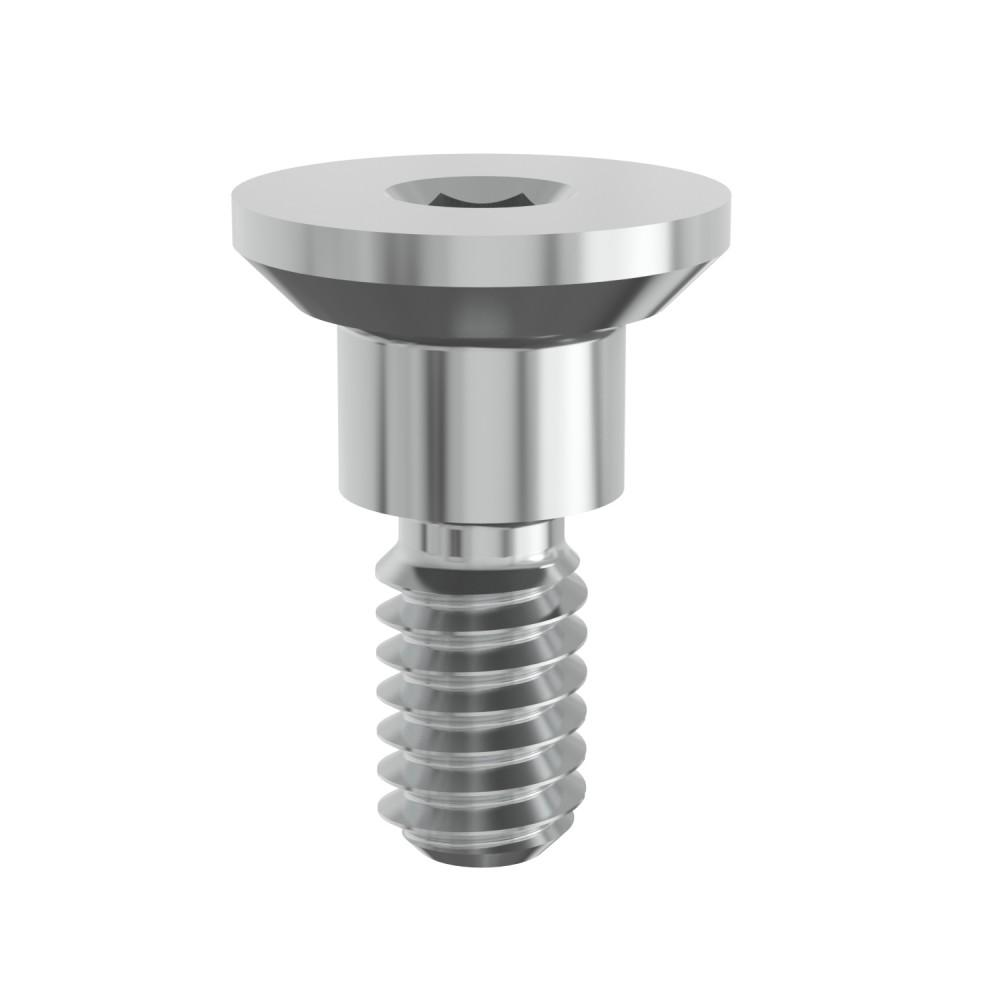
Cover Screw
A cover screw allows the implant to remain completely beneath the gumline while it heals. This approach may be selected when the implant does not have enough initial stability for a healing abutment to be placed immediately, when the area needs to remain covered for a future removable prosthesis, or when there is another clinical reason to allow the implant to heal beneath the tissue.
See an illustration of a cover screw used to protect a dental implant during submerged healing.
Healing Abutment
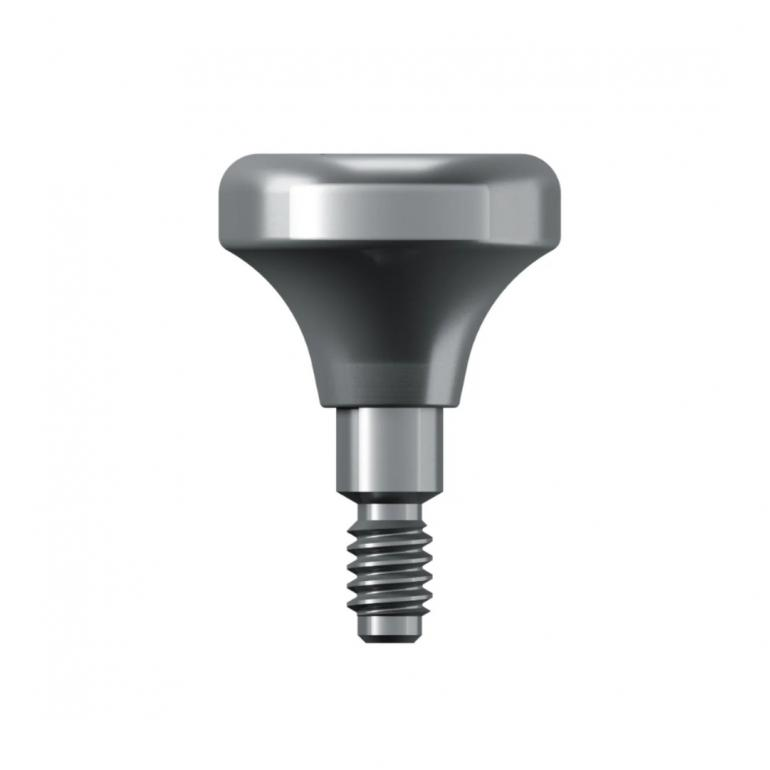
A healing abutment may be placed when the implant has sufficient initial stability and bone quality at the time of placement. Unlike a cover screw, the healing abutment extends through the gumline.
Its purpose is to help shape and condition the gum tissue around the implant in preparation for the future crown. This helps create an appropriate emergence profile, or the way the final crown transitions from the gum tissue.
Here you'll see an illustration of a healing abutment that helps shape the gum tissue around the implant site.
Custom Abutment
A custom abutment is used when the final crown is ready to be attached to the implant. It connects the implant to the final crown and can be individually designed to accommodate the position of the implant, surrounding gum tissue, and planned restoration.
Because the abutment is part of the final restorative stage, its design is based on how the finished crown needs to fit and function within your bite.
Below is an illustration of an abutment that connects the dental implant to the final crown:
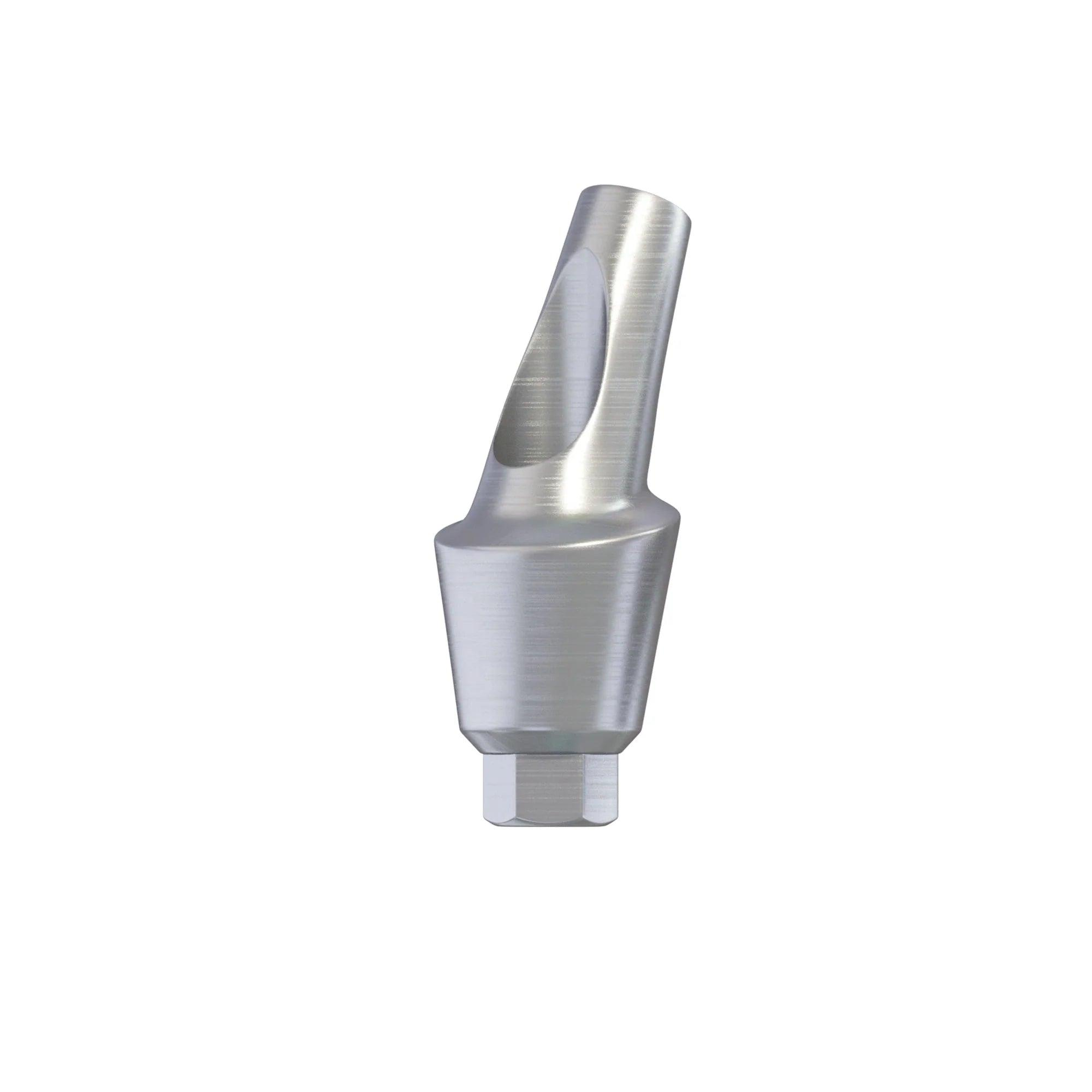
Components shown are for illustrative purposes; the components selected for treatment vary by patient and treatment plan.
How Long Does Dental Implant Treatment Take?
Dental implant treatment usually takes several months from placement through the final restoration. The timeline is largely determined by healing, because the implant needs time to integrate securely with the surrounding bone before it can support the final restoration.
Your timeline may be longer if you need bone grafting or other preparatory treatment before implant placement. Healing also varies from person to person.
We'll outline the expected sequence and approximate timing during your consultation. You'll know what each stage involves and when to expect the next step.
What Is Recovery Like?
Recovery after implant placement is generally manageable, although some tenderness, swelling, or sensitivity around the treatment area is normal during the first few days. Your experience will depend on the complexity of your treatment and whether additional procedures were performed.
We'll provide guidance on eating, cleaning, and protecting the surgical site. Following those instructions and keeping your scheduled follow-up appointments helps us monitor the healing process.
Replacing Multiple Missing Teeth
Implants aren't limited to replacing one tooth at a time. Depending on how many teeth are missing and the condition of your remaining teeth, implants can support a bridge or a larger implant-supported restoration.
The number and placement of implants are determined by your anatomy, the restoration being planned, your bite, and your long-term needs. There is no universal configuration that works for everyone. If you're currently wearing dentures and are unhappy with their stability or function, implant-supported options may also be worth discussing during your consultation.
Dental Implants vs. Other Tooth Replacement Options
Dental implants are one option among several ways to replace missing teeth.
A traditional bridge replaces a missing tooth by attaching the replacement to neighboring teeth. It can be a practical choice in certain situations, particularly when the adjacent teeth already need significant restoration.
Removable partial or complete dentures can replace several missing teeth without implant surgery. They may be appropriate depending on your oral health, anatomy, preferences, and budget.
Implant-supported restorations combine the stability of implants with a bridge, denture, or larger restoration when several teeth need to be replaced.
The right choice depends on your oral health, how many teeth are missing, the condition of the surrounding teeth and bone, your priorities, and the level of treatment you're comfortable pursuing.
Cost, Insurance, and Financing
The cost of dental implant treatment varies considerably because every case involves different clinical and restorative needs.
Factors that can affect your investment include the number of implants needed, the type of final restoration, the condition of the implant site, and whether bone grafting or other preparatory treatment is necessary.
Dental insurance coverage also varies by plan. Some plans may contribute toward certain portions of implant treatment or the final restoration, while others provide limited or no coverage.
Financing options may also be available. If cost is part of your decision, we encourage you to bring that into the conversation so we can help you understand the available options and build a treatment plan that makes sense for your circumstances.
Why Choose Wildflower Dentistry for Dental Implants?
Implant treatment planning has to account for the health of the surrounding teeth and gums, the available bone, your bite, the appearance of the final restoration, and how everything needs to function together.
At Wildflower Dentistry, Dr. Storms has advanced training in implant dentistry, bringing additional expertise to the planning and placement of implant treatment. That training supports a thoughtful approach to cases that may involve more than simply replacing a missing tooth.
Just as importantly, our approach is personal. We take time to explain the treatment sequence, answer questions, and make sure you understand your options before moving forward.
Frequently Asked Questions About Dental Implants
Do dental implants look natural?
The final crown is custom-designed to complement the surrounding teeth in shape, size, and shade. Careful planning of the implant position and surrounding tissue also contributes to a natural-looking result.
How long do dental implants last?
Dental implants are considered a long-term tooth replacement option. With good oral hygiene, regular dental care, and appropriate maintenance, the implant itself can remain functional for many years. The crown or other restoration may eventually require replacement due to normal wear.
Is getting a dental implant painful?
The treatment area is thoroughly numbed before implant placement. Some tenderness and swelling afterward are normal, but we'll explain what to expect during recovery and provide instructions for managing the area at home.
What happens if I don't have enough bone for an implant?
Bone loss does not automatically rule out implant treatment. Depending on the location and amount of bone available, bone grafting or other site-development treatment may be used to create a more suitable foundation.
Can an implant replace more than one tooth?
Yes. Implants can support individual crowns, bridges, or larger implant-supported restorations. The appropriate approach depends on the number of teeth missing and your overall oral health.
Can I get an implant if I have gum disease?
Active gum disease should generally be addressed before implant treatment. Healthy gums and supporting tissues provide an important foundation for long-term implant health.
What if I've had a missing tooth for several years?
You may still be a candidate for an implant. A long-standing missing tooth can be associated with bone loss, but additional treatment may sometimes restore the foundation needed for implant placement. Imaging and a clinical evaluation will determine what is possible.
Ready to Explore Your Options?
Replacing a missing tooth is a meaningful decision, and the best place to begin is with a clear understanding of your options.
At Wildflower Dentistry, we'll evaluate your oral health, explain what implant treatment would involve in your specific situation, and help you understand whether an implant is the right fit. If another approach makes more sense, we'll explain that too.
You can visit our office at 4552 Chapman Highway, Knoxville, TN 37918, or call (865) 737-6453 to schedule a consultation.
